What Are Bagasse Food Containers?
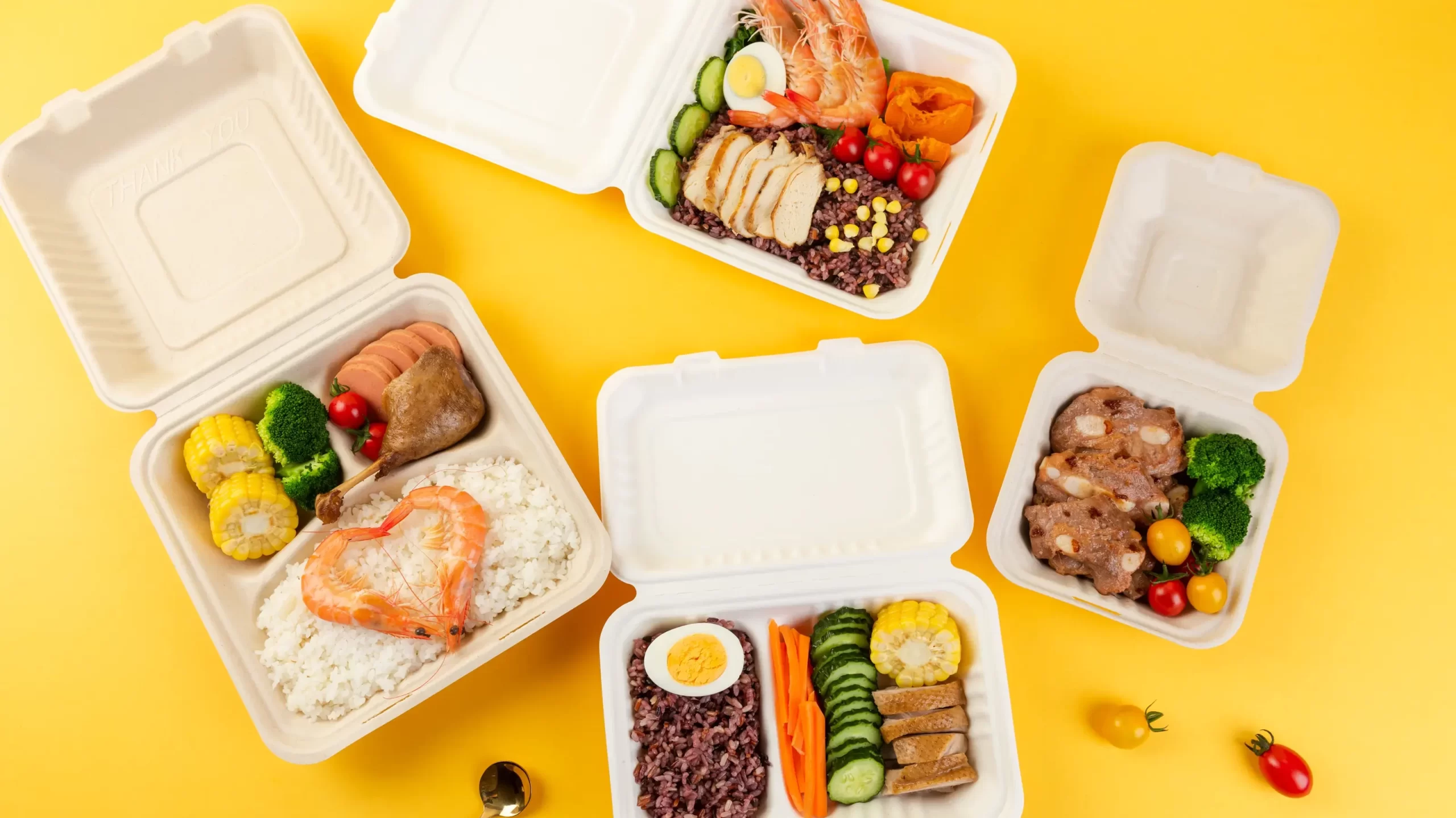
Bagasse food containers are made from sugarcane pulp, also known as bagasse—a fibrous byproduct left over after extracting juice from sugarcane stalks. Instead of being discarded or burned, this leftover material is repurposed into biodegradable and compostable food packaging. Using heat and pressure, bagasse can be molded into various functional shapes like clamshells, plates, trays, cups, and more. These containers are widely recognized as an eco-friendly alternative to plastic and foam-based packaging, particularly in food service and takeout industries.
What Is Bagasse: In-Depth
Bagasse is the dry, fibrous residue left after crushing sugarcane to extract juice. Each ton of processed sugarcane yields approximately 270 kg of bagasse, which was traditionally burned as biofuel. However, as sustainability becomes a priority, this once-discarded byproduct has become a valuable raw material. Compared to virgin wood pulp, bagasse requires fewer natural resources to process, and unlike PLA (polylactic acid), it doesn’t depend on industrial fermentation. This makes bagasse a leading candidate in the search for scalable, low-carbon packaging materials.
How Are Bagasse Containers Made?
The manufacturing process of bagasse containers involves several eco-conscious steps:
- Pulping: The sugarcane residue is washed and mechanically pulped into a slurry.
- Molding: The pulp is poured into molds and shaped under high heat and pressure.
- Drying & Trimming: Formed products are dried, cut, and smoothed for uniformity.
- Quality Control: Final products are checked for moisture content, strength, and food-safety standards.
- Packaging: Items are packed in bulk or custom sets for delivery. This process uses significantly less energy than traditional plastic or polystyrene production.
Why Are Bagasse Containers Eco-Friendly?
Bagasse containers are considered environmentally friendly for several reasons:
- Biodegradable & Compostable: Bagasse naturally decomposes in industrial or home compost environments within a few months. Unlike plastic, it leaves no toxic residue.
- Renewable Resource: Sugarcane is a fast-growing and highly renewable crop, making bagasse a more sustainable choice compared to petroleum-based materials.
- Reduced Waste: Using sugarcane residue helps divert agricultural waste from landfills and reduces environmental pollution.
- Lower Carbon Footprint: Bagasse production generally consumes less energy and produces fewer emissions than plastic manufacturing.
- PFAS-Free & Plastic-Free: Quality bagasse containers are made without toxic coatings or additives, making them safer for both human health and the environment.
Types of Bagasse Food Containers

Bagasse packaging solutions are available in a wide variety of forms to suit different food types and service needs:
Clamshell Containers
Featuring a hinged lid design, clamshells are ideal for burgers, sandwiches, and combo meals. They come in different sizes—square, rectangular, or with compartments—and are popular in fast food and takeaway settings.
Takeout Boxes
These have separate lids and bases, providing a more flexible solution for hot foods like rice, noodles, or stir-fried dishes. Some models are stackable and microwave-safe.
Food Trays
Multi-compartment trays are perfect for institutional settings like schools, hospitals, and meal delivery programs. They help separate different food items without mixing.
Plates
Bagasse plates come in round, square, and compartmented forms. Lightweight yet sturdy, they are suitable for events, catering, and food court use.
Bowls
Deep and durable, bagasse bowls are designed for soups, curries, noodles, or salads. They can be paired with matching lids for secure transport.
Cups with Lids
Used for serving hot and cold drinks, bagasse cups are often paired with fiber or compostable lids. Ideal for coffee shops and juice bars.
Cutlery
Knives, forks, and spoons made from molded bagasse offer a plastic-free option for disposable utensils. They’re durable, functional, and 100% compostable.
Bagasse vs. Other Materials
| Material | Compostable | Cost | Heat Resistance | Customization | Common Uses |
|---|
| Bagasse | Yes | Medium | High | High | Takeout boxes, plates, cups |
| PLA (bioplastic) | ✅ (Industrial) | High | Medium | Medium | Cold cups, lids, cutlery |
| Plastic | ❌ No | Low | High | High | Conventional food containers |
| Paperboard | ❌ (coated) | Medium | Low | Medium | Pizza boxes, trays |
Bagasse balances performance, compostability, and cost better than most alternatives, especially in regulated markets.
Key Features and Benefits
Bagasse food containers deliver practical advantages beyond sustainability:
- Heat Resistance: They can withstand high temperatures and are generally microwave-safe.
- Grease Resistance: Suitable for holding oily or fried foods without leakage.
- Water Resistance: Effective for short-term liquid containment.
- Durability: Strong and rigid enough to support heavy meals and stacking.
- Compostability: Certified by EN13432, ASTM D6400, or BPI for industrial composting.
- Safe for Food Contact: Free from BPA, PFAS, and other harmful substances.
- Customizable: Businesses can brand containers with logos, embossing, or custom packaging design.
Compliance and Certifications Worldwide
Many countries and regions are implementing strict packaging regulations:
- European Union: EN13432 certification is mandatory for industrial compostable packaging.
- United States: ASTM D6400 and BPI certifications are widely recognized.
- Australia & Canada: Encourage home and commercial composting with clear labeling.
- Asia (Japan, Singapore, South Korea): Increasing demand for sustainable packaging with government-backed guidelines. Manufacturers that comply with these standards are better positioned for global trade and procurement.
Use Cases and Applications
Bagasse containers are used globally across many industries, including:
- Restaurants and takeout chains looking to replace plastic packaging
- Food trucks and mobile vendors needing heat-resistant packaging
- Caterers and event organizers prioritizing sustainability
- Institutional food services such as schools, airlines, or hospitals
- Eco-conscious brands aiming for compostable retail packaging
Conclusion
Bagasse food containers provide a modern solution to the environmental challenges posed by plastic and foam packaging. Made from renewable sugarcane pulp, these containers are biodegradable, compostable, and practical for various food applications. Whether you’re running a restaurant, planning an event, or launching a sustainable product line, bagasse packaging helps reduce your carbon footprint while delivering performance and style.
FAQ
-
Are bagasse containers microwave-safe?
A1: Yes, most bagasse containers are safe for short-term use in the microwave. However, heating times should be limited to prevent softening.
-
Do bagasse containers leak with oily or wet food?
A2: Bagasse containers have natural grease and moisture resistance. While they can handle saucy or oily foods, they’re not meant for long-term liquid storage.
-
Can bagasse containers be home composted?
A3: Yes, many bagasse containers will break down in home compost systems within 90 to 180 days, depending on conditions.
-
Are bagasse containers certified compostable?
A4: Reputable manufacturers offer certifications such as EN13432, ASTM D6400, or BPI, which verify compostability in industrial facilities.