BPI Certification: The “Green Key” to Unlocking the North American Compostable Market
When targeting the vast North American market with your sustainable packaging, good intentions alone are not enough. Facing stringent regulations and savvy consumers, you need a universally recognized “key” to build trust and prove compliance. That key is the compostable certification issued by the Biodegradable Products Institute (BPI). This article provides a comprehensive analysis of BPI certification, revealing why it is an essential credential for entering North America’s mainstream circular economy.
The OK Compost Certification: Decoding the “Trust Seal” for Globally Compostable Packaging
Introduction: When “compostable” becomes a popular label to attract eco-conscious consumers, is it backed by rigorous science or just marketing hype? The OK Compost certification, one of the most widely recognized authoritative seals worldwide, provides a reliable yardstick to distinguish truth from claim. This article delves into this certification system, revealing how it safeguards the promise of “compostability.”
Industrial vs Home Composting for Restaurants: Aligning Your Packaging with Real-World Operations
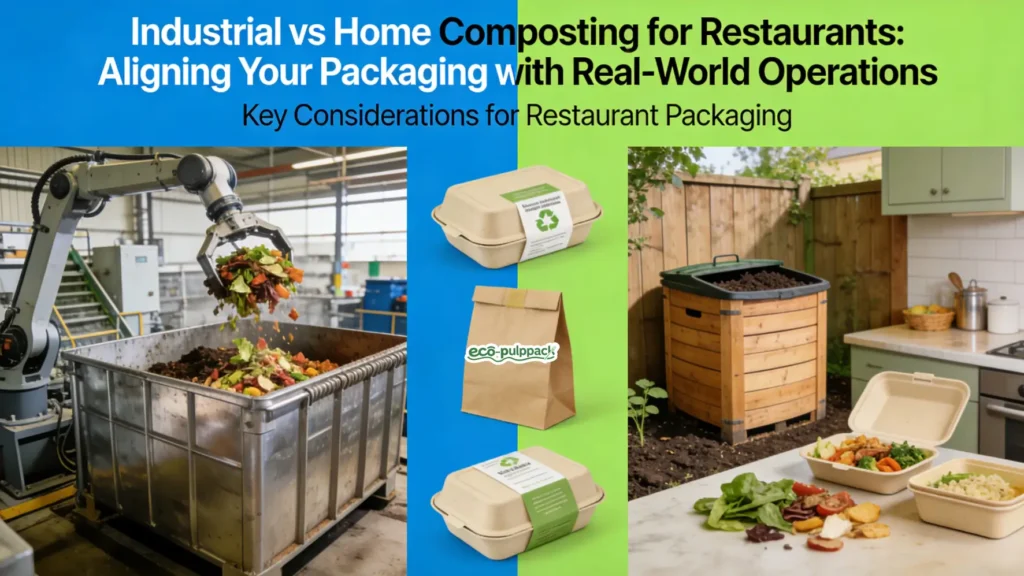
For restaurant owners and foodservice buyers, choosing compostable tableware is not just an environmental statement—it’s a critical operational decision tied to waste handling, customer expectations, and long-term compliance. This guide cuts through the confusion by analyzing the operational realities behind “industrial composting” and “home composting” claims. You’ll learn how to select packaging that matches your actual disposal pathways, reduces back-of-house complexity, and builds authentic brand trust, with a clear framework to evaluate cost, risk, and sustainability in one decision.
Home Composting Explained: A Practical Guide for Compostable Tableware
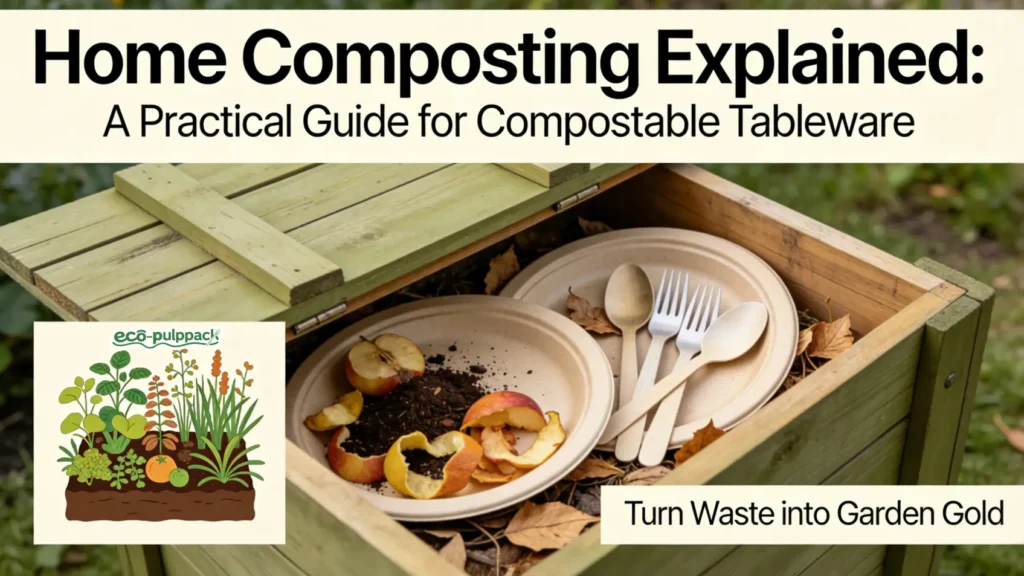
Home composting is becoming a common waste-disposal choice for environmentally conscious consumers, yet many “compostable” products are not designed to perform under real household conditions. This practical guide explains how home composting actually works, why material choice matters more than labels, and how sugarcane bagasse tableware aligns naturally with everyday composting behavior. By understanding real-world composting conditions, brands can improve product credibility, enhance consumer experience, and strengthen sustainability messaging.
Industrial Composting Facility Standards Guide (Solving Procurement Decision Barriers)
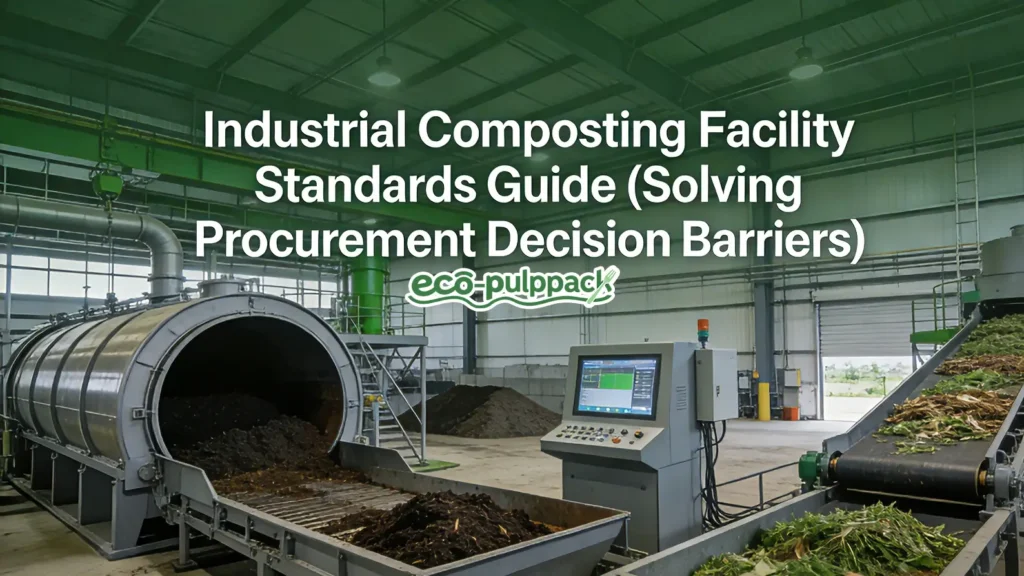
Choosing the right compostable tableware is essential for businesses committed to sustainability. Industrial composting standards require specific facility conditions, such as temperature and moisture control, which must be met to ensure effective decomposition. In contrast, home composting relies on more variable conditions, making it essential to choose materials that can decompose in both environments. This guide explains the differences between industrial and home composting, highlighting the importance of certifications like ASTM D6400 and EN 13432. By selecting dual-certified products, such as our Bagasse Tableware, businesses can confidently align with environmental regulations while strengthening their sustainability commitment. The guide also offers practical advice on how to navigate procurement barriers, ensuring that your brand’s green promise is fulfilled.
Industrial vs Home Composting: What B2B Buyers Must Know Before Choosing Tableware
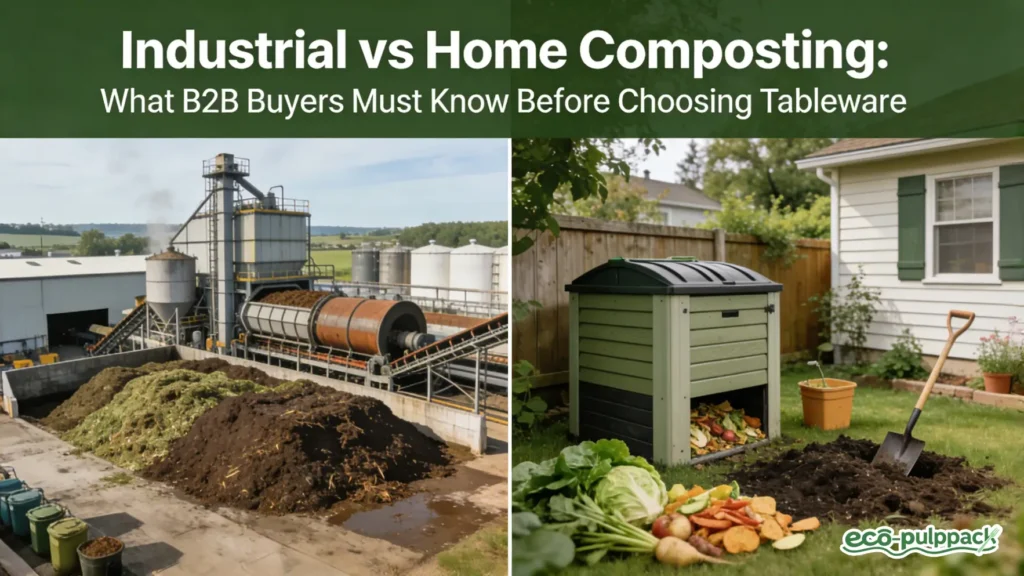
When choosing compostable tableware for your brand, understanding the differences between industrial composting and home composting is crucial. While the term “compostable” may seem straightforward, it actually encompasses two distinct pathways, each with different requirements, processes, timelines, and material specifications. This article delves into the key differences between these two composting methods and provides a comprehensive framework for businesses to make the right material choices, ensuring that their sustainability promises are fulfilled. By understanding the various composting certification standards and material compatibility, brands can avoid the risk of greenwashing and ensure compliance with future environmental regulations. We highlight how dual-certified compostable products, such as Bagasse Tableware, perform in both industrial and home composting environments, offering businesses a zero-risk, eco-friendly solution. This guide will help brands build a transparent and credible sustainability image and provide clear direction for purchasing decisions.
Takeout: The Universal North American Term for Professional Foodservice & Scalable Procurement
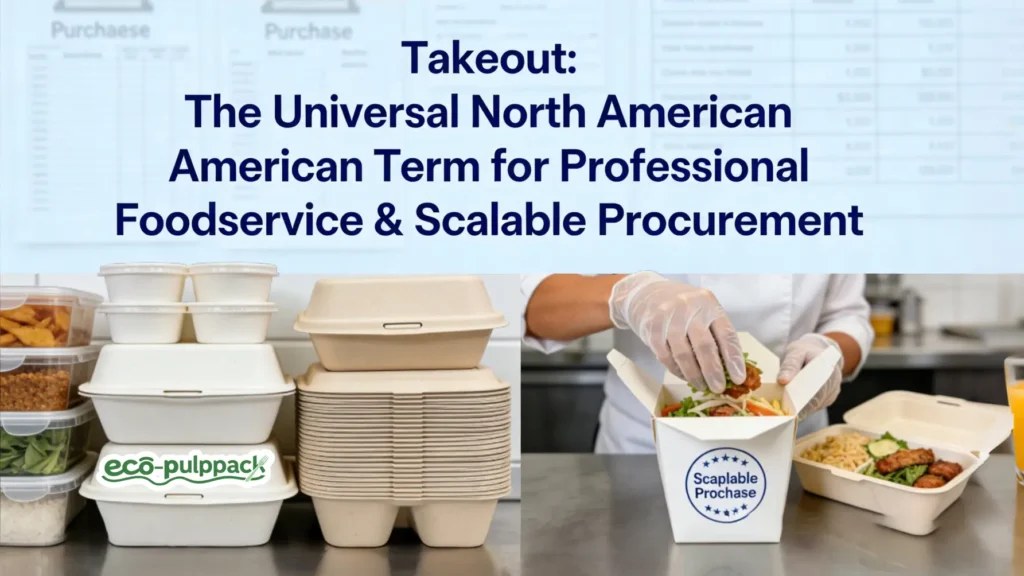
In foodservice, the terms takeaway, to-go, and takeout are often used interchangeably—but in practice, they reflect different regional habits, cultural contexts, and industry applications. Understanding how these terms are used in the UK, North America, and global markets is not just a language issue; it directly affects menu labeling, customer expectations, and food packaging decisions. This guide breaks down what each term means, where it is commonly used, and how those differences matter for restaurants, brands, and packaging buyers operating across markets.
To-Go: The American Playbook for Convenience Packaging & Experience
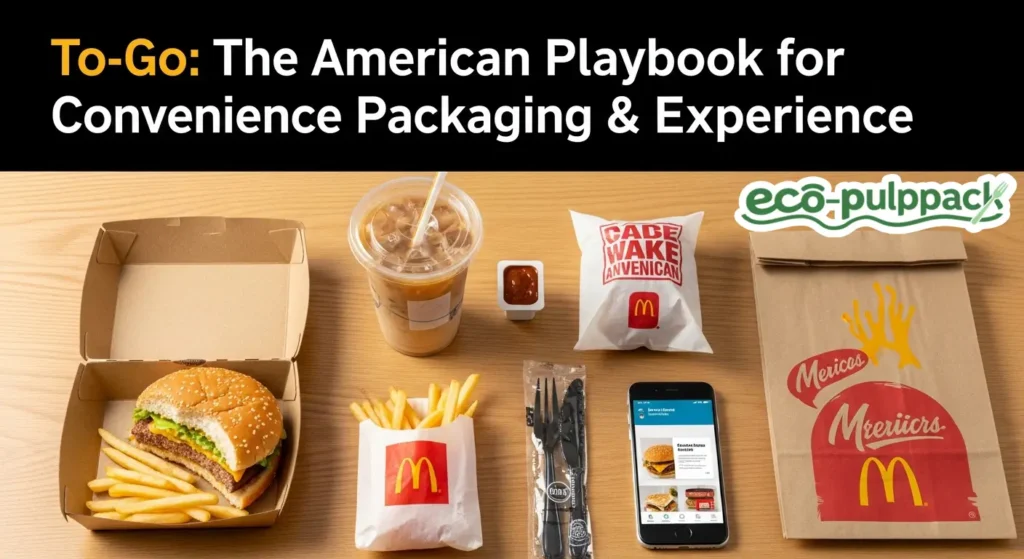
This guide serves as a practical playbook for understanding how “To-Go” operates within the North American foodservice market. More than a casual expression, To-Go reflects a system built around speed, mobility, and customer experience. By examining its regional usage, design logic, and operational impact, this article helps foodservice brands and packaging buyers navigate when and how To-Go should be applied across menus, packaging decisions, and day-to-day execution.
Takeaway: Your Strategic Guide to the UK & Australia’s Sustainable Packaging Market
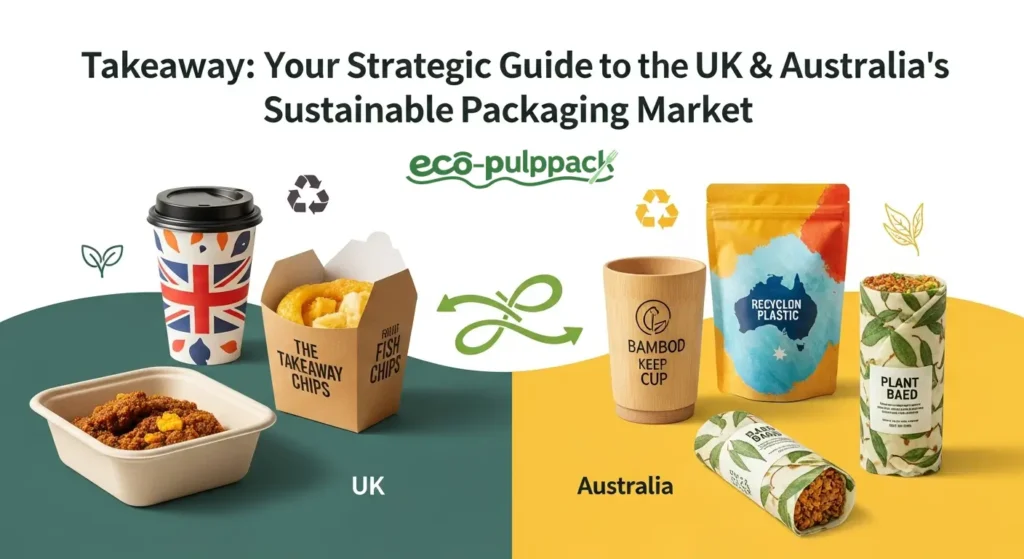
For foodservice brands and packaging buyers targeting the UK, Australia, and other Commonwealth markets, “Takeaway” is not a stylistic choice but a critical commercial decision. This guide goes beyond terminology to explain how cultural usage, regulatory compliance, and procurement logic intersect in these markets. It clarifies why Takeaway is the only correct professional term, outlines the mandatory compostability standards such as EN 13432 and AS 4736 / AS 5810, and shows how packaging design must respond to local food habits and operational realities. By combining market context, compliance requirements, and a practical procurement framework, this article serves as a market entry and risk-control playbook for brands seeking to enter or scale in Commonwealth takeaway packaging markets with confidence.