Introduction — Why Food Service Packaging Matters in Today’s Market
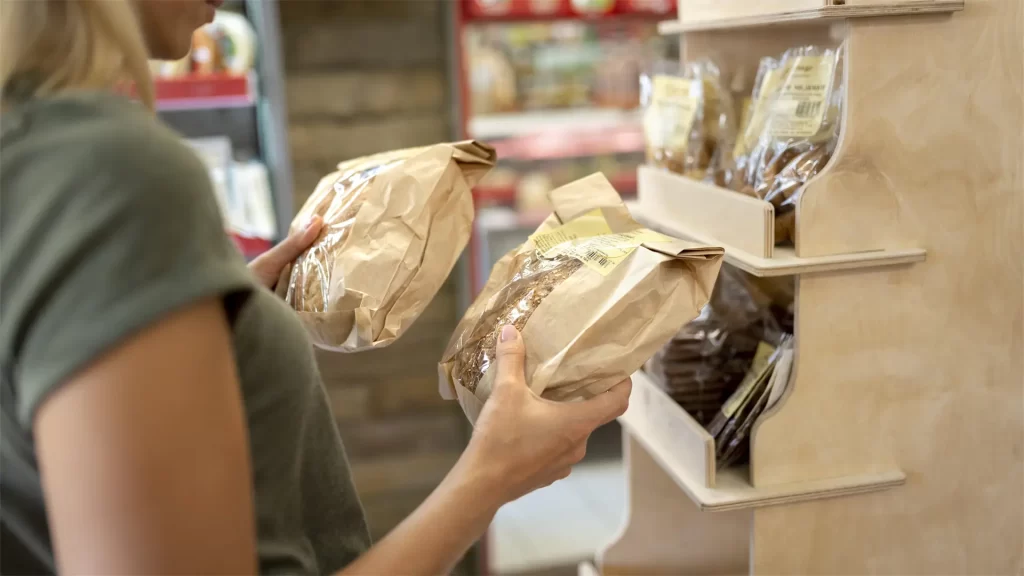
In today’s fast-paced food industry, packaging isn’t just a means of carrying food — it’s a critical part of product delivery, safety, and customer experience. Whether for dine-in service, takeout, or delivery, food service packaging ensures that prepared foods are served conveniently, hygienically, and in ways that meet evolving consumer and regulatory expectations.
More than ever, food packaging choices are influenced by sustainability trends, material innovations, and legal compliance. As global food delivery revenue is projected to reach over $200 billion by 2025 (source: Statista), the demand for reliable, sustainable, and functional packaging grows accordingly. According to the Foodservice Packaging Institute (FPI), the global foodservice packaging market is expected to surpass $400 billion by 2030, driven by the growth of quick-service restaurants, tak…
The Role of Food Service Packaging in the Supply Chain
More Than a Container — Packaging as a Service Component
Food service packaging isn’t just about enclosing food. It plays multiple key roles within the food supply chain:
- Ensuring Food Safety: By acting as a barrier against contamination, packaging preserves hygiene during preparation, transport, and serving. This is especially critical in the age of food delivery apps, where meals travel across cities before consumption.
- Preserving Product Quality: Packaging helps retain the intended temperature, texture, and appearance of food — whether hot, cold, fresh, or frozen. Advanced packaging designs like vented lids or insulated layers ensure quality during transit.
- Supporting Logistics and Delivery: From stackable clamshells to insulated containers, packaging enhances efficiency for takeaway, delivery services, and catering operations. Packaging designed for space-saving and durability optimizes delivery logistics.
- Enhancing Customer Experience: A thoughtfully designed package adds to customer convenience and reflects brand identity, impacting consumer perception. In a market where unboxing and social sharing are common, attractive and functional packaging boosts brand loyalty.
Connecting Foodservice, Retail, and Consumer

In a global market driven by delivery apps, takeaway services, and cross-border trade, food service packaging bridges the gap between producers, retailers, and end consumers. The packaging choice often defines:
- Product presentation in both B2B and B2C settings
- Compliance with transportation safety standards
- Alignment with regional sustainability regulations
Businesses aiming for consistent customer experience — from direct foodservice to retail shelves — rely heavily on packaging solutions tailored to different supply chain stages.
Common Categories of Food Service Packaging
🎥 Watch: How Food Service Packaging Works in Real Life
1️⃣ Disposable Tableware
Definition: Cups, plates, bowls, cutlery, and trays used for direct food service, typically single-use. Essential for quick-service restaurants, catering events, cafeterias, and street food vendors.
Examples in Use:
- Molded Fiber Plates at food festivals, compostable and sturdy for outdoor use.
- PET Clear Cups in beverage stands and juice bars for visual product presentation.
- Compostable Cutlery in eco-conscious cafeterias promoting sustainable dining.
Key Considerations: Durability, compostability, and cost-effectiveness. The growing demand for biodegradable tableware is leading many businesses to switch from conventional plastic to molded fiber or certified compostable alternatives.
2️⃣ Takeaway & Delivery Packaging
Definition: Containers designed for safe transport of food, including clamshells, hinged lids, salad bowls, compartment trays, and meal boxes.
Examples in Use:
- Molded Fiber Clamshells used by McDonald’s in select regions for eco-friendly packaging.
- Leak-Proof Salad Bowls for premium delivery services ensuring fresh presentation.
- Microwavable Meal Boxes offered by delivery-only (ghost) kitchens.
Key Considerations: Leak resistance, stackability, and heat retention. With the rise of delivery apps like Uber Eats and DoorDash, takeaway packaging now plays a critical role in maintaining product integrity during transit.
3️⃣ On-Premise Service Packaging
Definition: Packaging used within foodservice establishments for immediate consumption, enhancing convenience and hygiene.
Examples in Use:
- Bakery Wrap Papers used for pastries and baked goods.
- Deli Sheets for sandwiches and meats in fast-casual eateries.
- Tray Liners in quick-service restaurants, promoting branding while providing a hygienic surface.
Key Considerations: Cost efficiency, food safety compliance, and brand reinforcement.
4️⃣ Beverage Packaging
Definition: Packaging for hot and cold beverages, often accompanied by lids, carriers, and sleeves.
Examples in Use:
- Recyclable Paper Cups used by Starbucks and other major coffee chains.
- Compostable Lids designed to meet sustainability goals in large beverage outlets.
- Insulated Drink Holders in takeaway scenarios for customer convenience.
Key Considerations: Thermal insulation, material compliance, and recyclability. The beverage sector is under increased scrutiny for its role in single-use packaging waste.
Learn more about common types of disposable tableware
Materials Used in Food Service Packaging — Beyond Plastic
Choosing the right material impacts cost, functionality, sustainability, and compliance. Common materials include:
- Molded Fiber (Bagasse, Bamboo Pulp): Compostable, heat-resistant, ideal for plates, bowls, and clamshells. Molded fiber’s natural appearance and functional strength make it a preferred choice for eco-conscious brands. It is widely used in industries aiming to replace expanded polystyrene (EPS) and petroleum-based plastics.
- Paperboard & Coated Paper: Widely used for wraps, cartons, and trays — recyclable depending on coating. For instance, PE-coated paperboard offers moisture resistance but complicates recycling, while water-based coatings are emerging as sustainable alternatives. Food-safe coatings are essential for direct food contact, making this material versatile for bakery and deli applications.
- Plastics & Bioplastics: Includes PET, PP, PLA — varying in recyclability and compostability. Traditional plastics are favored for durability and cost, while bioplastics like PLA (polylactic acid) are increasingly adopted in regulated markets with composting infrastructure. However, concerns remain over industrial composting requirements and actual environmental benefits.
- Aluminum & Specialty Materials: Ideal for heat retention, oven-safe applications. Aluminum containers are commonly used in catering for their durability, recyclability, and resistance to temperature fluctuations. Despite higher costs, they offer excellent food safety performance in hot-food scenarios.
With global regulations tightening on single-use plastics, molded fiber, recyclable paperboard, and biodegradable materials are becoming mainstream choices for food service businesses aiming for both compliance and customer satisfaction.
Discover regulations impacting food service packaging
Sustainability, Regulations & Industry Shifts

Sustainability is no longer optional for the food service industry. Global regulatory bodies and consumer expectations are driving significant change:
- Plastic Bans: The European Union’s Single-Use Plastics Directive bans several types of disposable plastic food packaging. Similar laws have been enacted in Canada, parts of the US, and many Asian countries.
- Compostability Standards: Certifications like EN13432 (Europe) and ASTM D6400 (USA) set standards for compostable packaging materials, guiding manufacturers and buyers in compliant product selection.
- Corporate Responsibility: Leading food chains and packaging producers are committing to sustainable practices — like using only certified compostable packaging or switching entirely to renewable materials by 2030.
These shifts require businesses to rethink packaging strategies, focusing on materials that meet both regulatory demands and consumer preferences.
Explore compostable certifications and industry standards
Key Trends Shaping Food Service Packaging
- Eco-friendly Materials Adoption: Brands are rapidly shifting toward molded fiber, bioplastics, and recyclable paperboard.
- Smart Packaging & Functional Innovation: New features like temperature indicators, tamper-evident seals, and smart labels enhance food safety and traceability.
- Minimalist & Brand-Oriented Designs: Simplicity with function — clean designs that enhance brand visibility without excessive materials.
- On-the-Go & Delivery-Driven Packaging Solutions: With food delivery expected to dominate urban markets, packaging designed for convenience and mobility is in high demand.
See industry data on food service packaging trends
Choosing the Right Food Service Packaging — A Practical Guide
Understand Your Business Needs
- Identify your core products and serving methods.
- Evaluate packaging based on food type — hot, cold, liquid, greasy.
- Consider local regulations and certifications required.
Balance Cost, Functionality, and Sustainability
- Assess total cost of ownership, including environmental fees or compliance costs.
- Choose materials that balance durability with environmental impact.
- Consider life-cycle impact: reusable, recyclable, or compostable.
Leverage Packaging for Branding & Customer Experience
- Customizable designs and sustainable materials enhance brand value.
- Packaging is often the first physical touchpoint with customers.
Learn about biodegradable vs. compostable packaging
Conclusion — The Strategic Value of Food Service Packaging
Food service packaging is more than a utility; it’s a strategic asset that influences customer perception, operational efficiency, and environmental footprint. As global markets continue shifting toward sustainability and stricter regulations, businesses that invest in the right packaging solutions will enhance their competitiveness and brand reputation.
Choosing packaging that aligns with your business values — whether through compostability, innovative design, or sustainable sourcing — is not just smart business; it’s a commitment to a better future.
FAQ
-
What materials are commonly used in food service packaging?
Common materials include molded fiber (such as bagasse), plastic (PET, PP), paperboard, and compostable bioplastics. Each offers different benefits in terms of sustainability, durability, and cost.
-
Is food service packaging recyclable or compostable?
It depends on the material. Molded fiber and some paperboard items are compostable, while certain plastics can be recycled. Always check local recycling rules and product certifications.
-
What is the most eco-friendly food packaging option?
Molded fiber packaging made from sugarcane bagasse or bamboo pulp is considered among the most sustainable, as it is made from renewable resources and is industrially compostable.
-
How do I choose the right food packaging for my business?
Consider your food type (hot/cold, wet/dry), delivery method, sustainability goals, and budget. Look for compostable certifications like EN13432 or ASTM D6400 for compliant packaging.
-
Are there regulations for food service packaging in different countries?
Yes, many countries and cities have regulations banning non-recyclable or non-compostable packaging. Always review local laws before selecting packaging materials.
Looking for sustainable food packaging solutions for your business?
We specialize in compostable bagasse tableware — made from sugarcane fiber, designed for food safety, branding, and global compliance.
📦 Free samples available for bulk buyers.
👉 Explore Our Bagasse Collection or Contact Us for a quote.