Bagasse Dinnerware vs. Tableware: What’s the Difference?
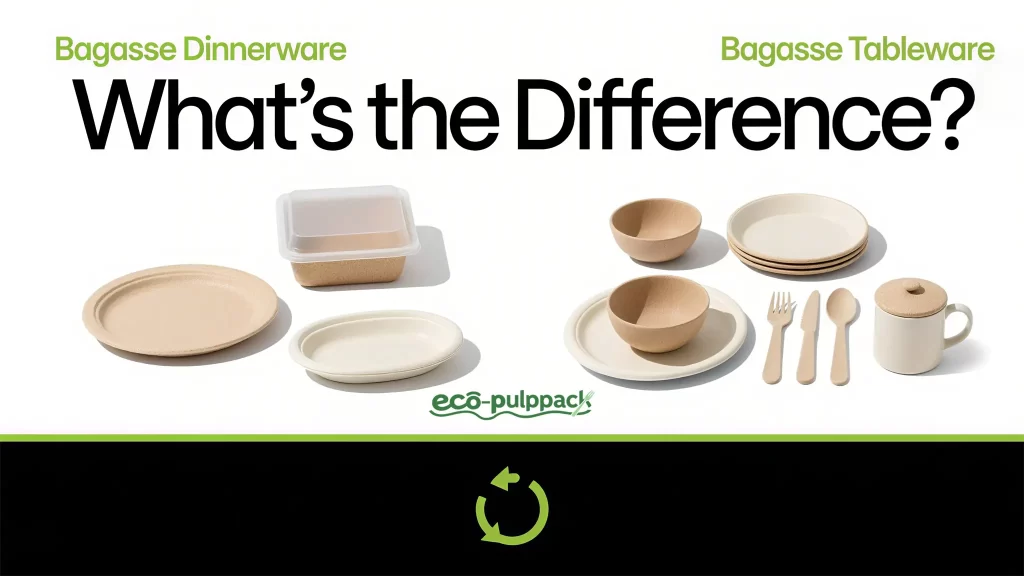
In the growing market of eco-friendly disposable products, the terms “bagasse dinnerware” and “bagasse tableware” are often used interchangeably—but they shouldn’t be. Bagasse dinnerware specifically refers to plates, bowls, and serving trays meant for holding food, while bagasse tableware encompasses the full range of dining items, including cutlery and cups. For buyers in catering, food service, retail, and event planning, understanding this difference is crucial to ensure accurate procurement, avoid unnecessary costs, and meet customer expectations. This article explains the definitions, common misconceptions, procurement tips, and industry trends surrounding these two categories. By making informed decisions, businesses can streamline their supply chain, enhance their sustainability goals, and build stronger partnerships with reliable suppliers.
How to Order Bagasse Tableware — Understanding Mixed Loading, Bundled Sets, and Product Collections
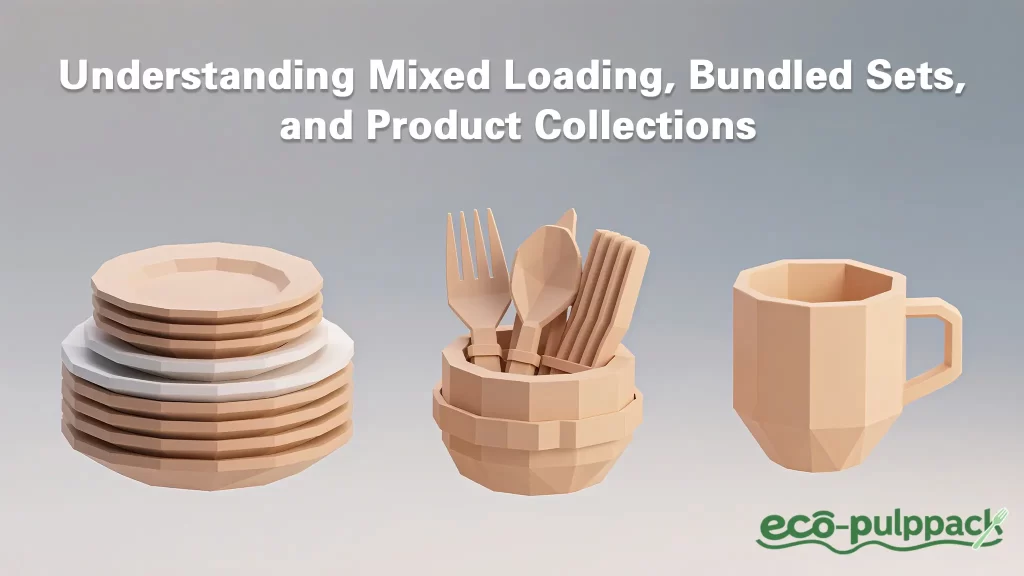
Discover how to order bagasse tableware with flexible options for bulk buyers. This guide explains mixed loading, bundled sets, and product collections — helping you optimize container space, simplify packaging, and streamline procurement for sustainable foodservice solutions.
What Is a Clamshell Food Container?
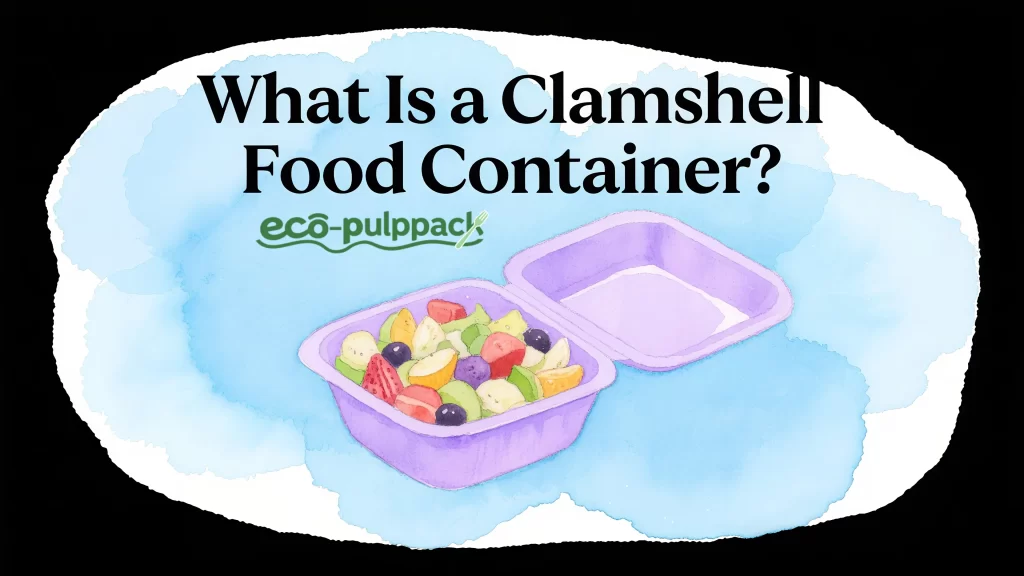
Clamshell food containers have become a staple in the foodservice and takeaway industry — known for their practical design, secure closure, and convenience. But what exactly are they, and how can they benefit your business? In this guide, we explain everything you need to know about clamshell containers, focusing on sustainable, food-grade options for the modern market.
How to Know If a Packaging Material Is Food-Safe?
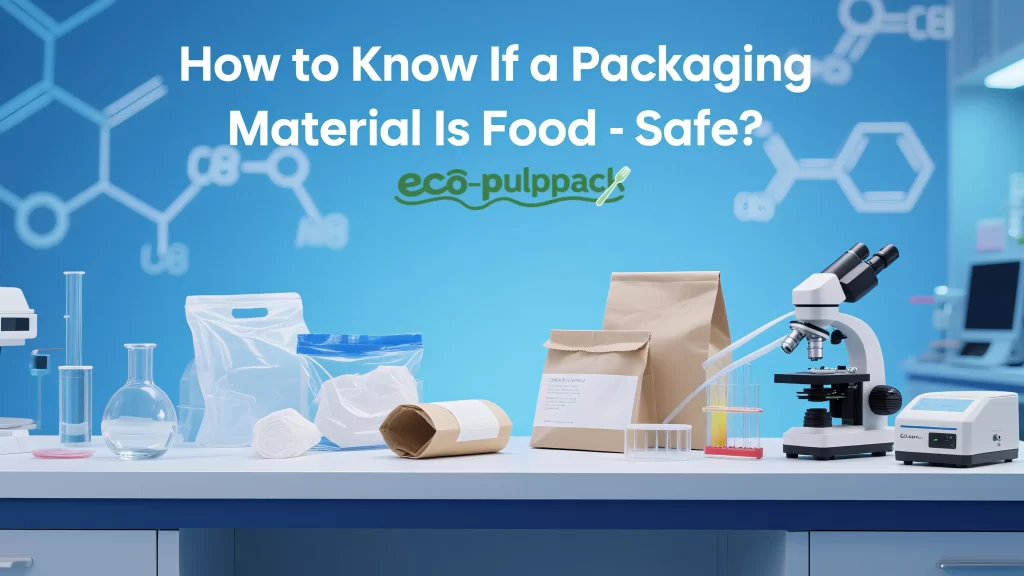
Not all packaging materials are food-safe. Learn how to identify safe materials using symbols, certifications like FDA or EN13432, and understand how bagasse meets global food-contact standards.
Bagasse Food Containers Explained
Bagasse food containers are biodegradable and compostable alternatives to plastic, made from sugarcane pulp. This guide covers their benefits, types, and sustainable advantages.
What Is Environmentally Friendly Tableware?
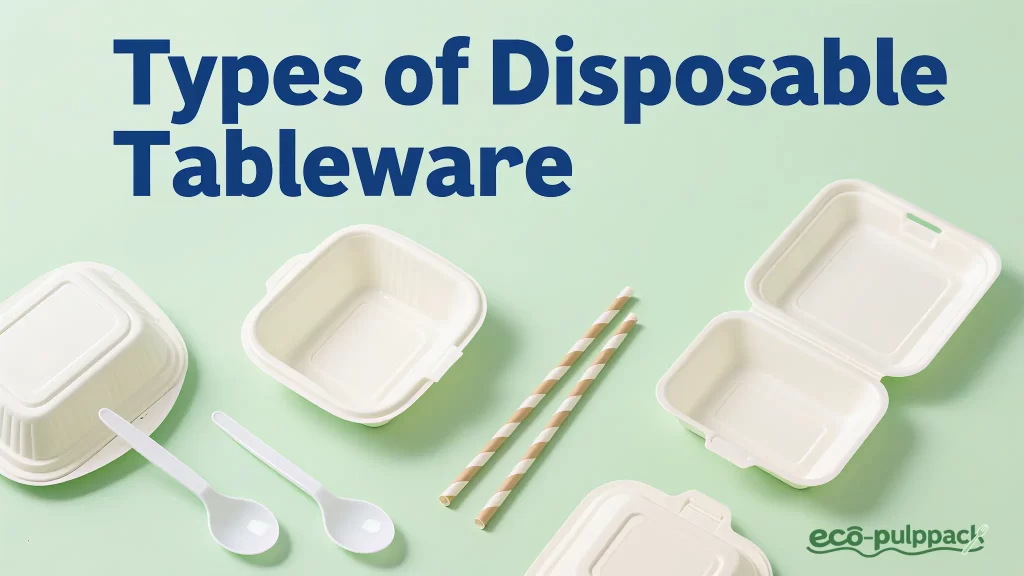
Environmentally friendly tableware refers to disposable or reusable utensils, plates, cups, and food containers made from sustainable, biodegradable, or compostable materials. Unlike plastic or Styrofoam alternatives, eco-friendly tableware minimizes environmental impact during production, use, and disposal.
Common materials include bagasse (sugarcane fiber), bamboo, palm leaves, and recycled paper. These alternatives break down naturally without leaving toxic residue, making them ideal for businesses and consumers seeking sustainable packaging solutions.
This article explores the definition, benefits, and types of eco-friendly tableware, compares materials like bagasse and plastic, and guides businesses on choosing sustainable options for food service and catering needs.
What Are the Types of Disposable Tableware?
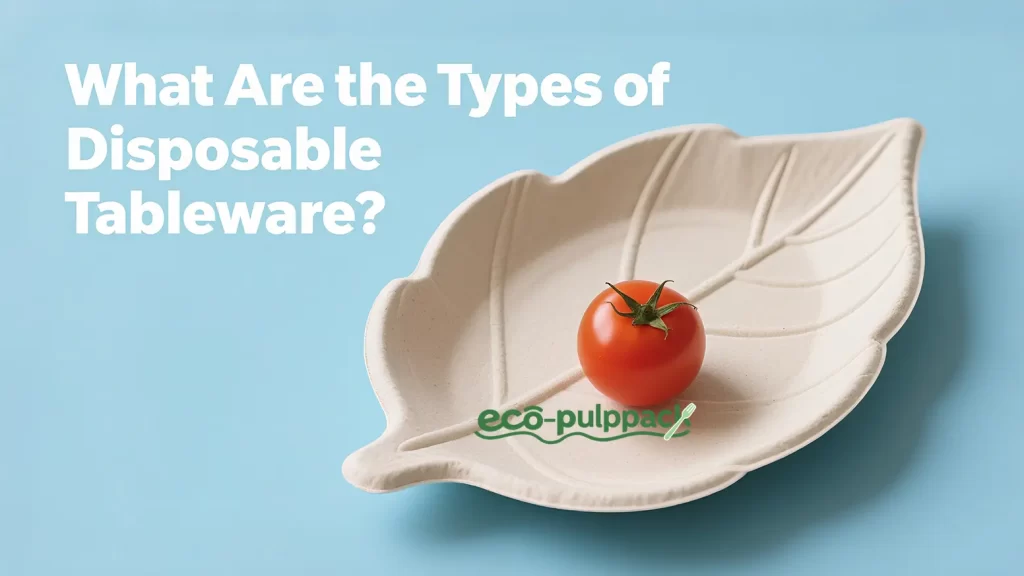
Choosing the right type of disposable tableware goes beyond shape and function — it starts with understanding the materials. From molded fiber and paperboard to plastic, each category serves different food packaging needs and comes with unique environmental impacts. This guide provides a clear overview of common disposable tableware types, helping businesses and buyers make informed, eco-conscious decisions.
Top Use Cases for Bagasse Tableware: From Takeout to Catering and More
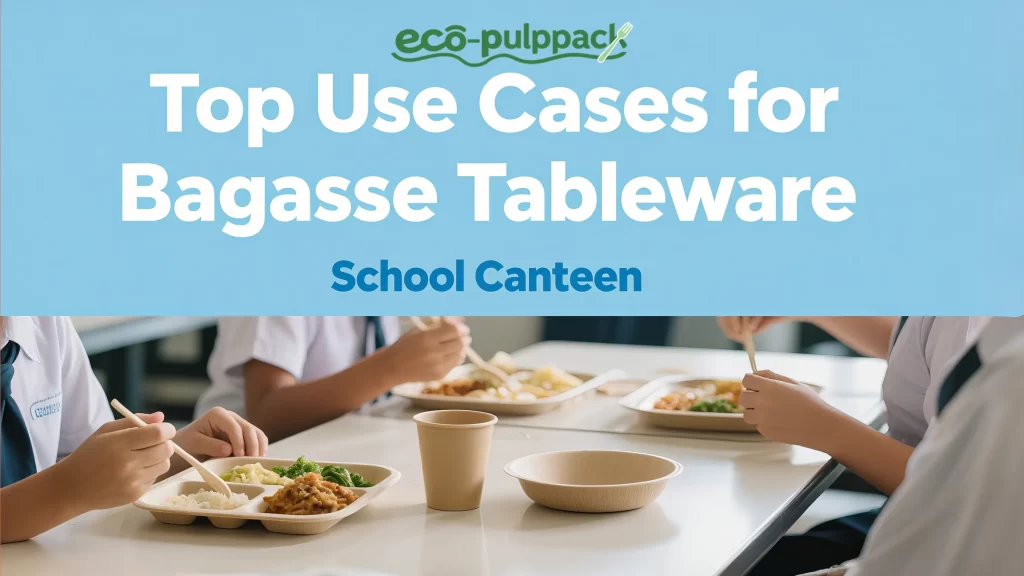
1. Takeout & Food Delivery Bagasse clamshell containers and trays are ideal for takeaway packaging: Popular choices: 8” clamshell, 3-compartment lunch box, 16oz bowl with lid 2. Catering & Buffet Services Eco-friendly plates and trays are commonly used in catering events: Popular choices: 10” round plates, compartment trays, oval fiber plates 3. Schools, Hospitals & […]
Global Plastic Bans and Compostable Packaging Laws: What B2B Buyers Should Know
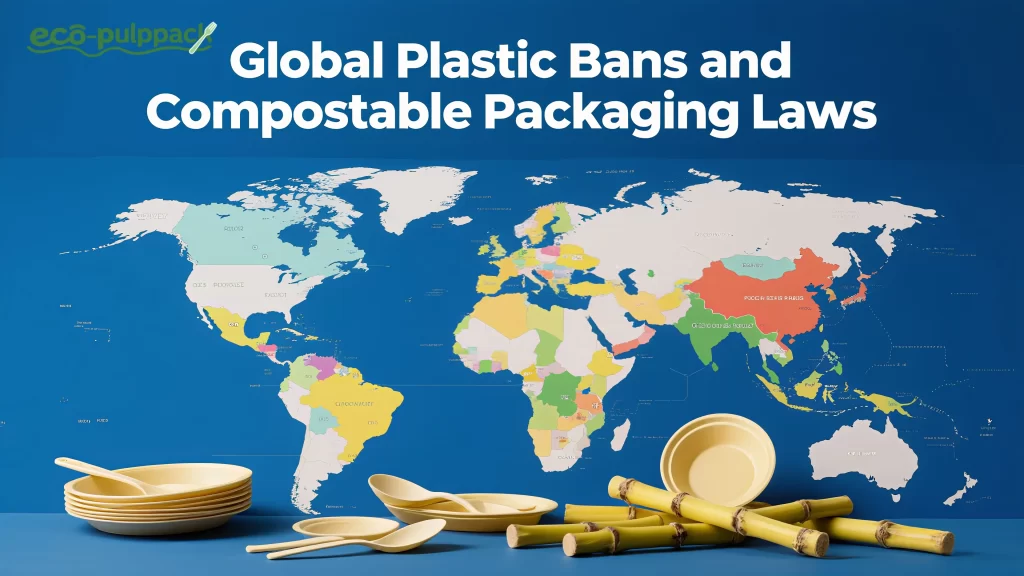
Q: Are plastic food containers banned in some countries?A: Yes. Countries like the U.S., Canada, Australia, and EU member states have introduced plastic bans and compostable packaging laws. B2B buyers must ensure their disposable food containers comply with regional regulations and certifications such as EN13432, ASTM D6400, BPI, or OK Compost. Why Plastic Ban Laws […]