Global Bagasse Cup Sizing Toolkit: Compliance, Conversion & Customization Guide
Choosing the right cup size is no longer just a matter of volume—it’s a global procurement challenge. With varying measurement systems (oz, cups, ml), evolving food contact regulations, and increasing demand for sustainable packaging, buyers in the F&B space need more than a size chart.
In this blog, we bring you a practical yet professional bagasse cup sizing toolkit: from converting 12–32 oz into cups and milliliters, to international compliance standards, material comparisons, and tips for custom branding. Whether you’re sourcing for a smoothie chain, café, or food packaging brand, this guide simplifies your buying decisions.
Bagasse Cup Size Chart: Convert 12–32 oz to Cups (with mL Equivalents) – Use Cases & Buying Guide
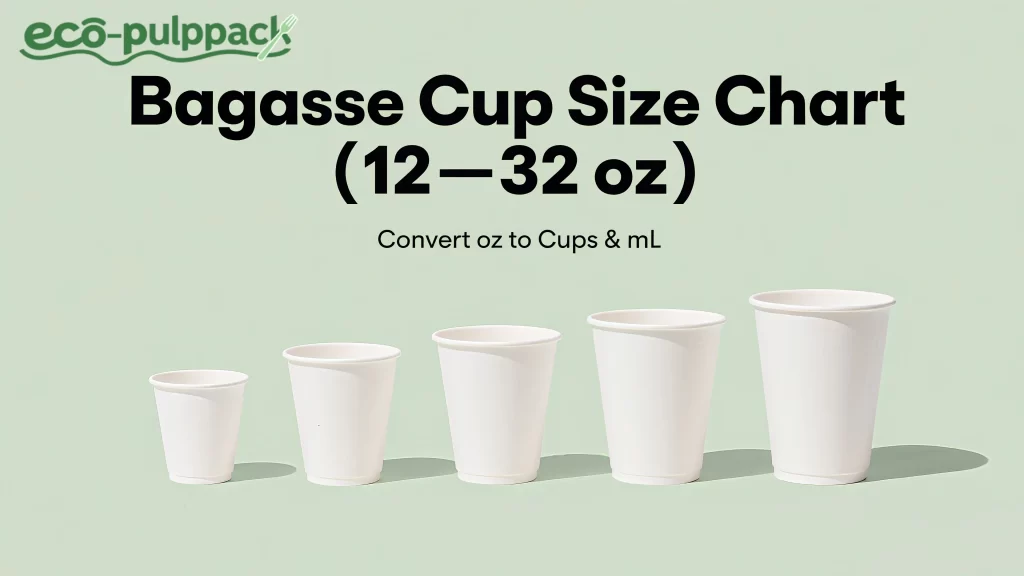
For food service operators, sustainable packaging buyers, and international importers, understanding how ounces convert to cups is more than a kitchen curiosity—it’s essential to making accurate purchasing decisions. From 12 oz sodas to 32 oz combo drinks, cup sizing plays a crucial role in portion control, customer satisfaction, and packaging standardization.
This guide offers not just a conversion table, but also international equivalents in milliliters (ml), real-world use cases, and practical tips on choosing the right size for your needs. Plus, we explain why bagasse cups are your most eco-friendly, cost-effective, and globally compliant option for modern drinkware.
What Is Biodegradable Tableware?
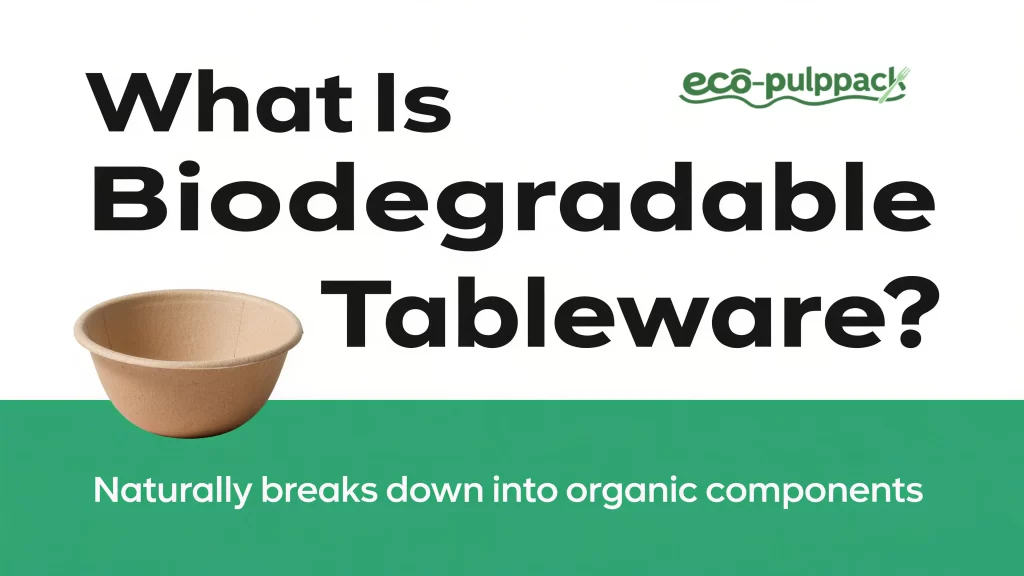
As sustainability moves from buzzword to global necessity, businesses in food service, hospitality, and retail are rethinking their use of disposable packaging. Biodegradable tableware—plates, cutlery, cups, and containers made from plant-based materials—is often presented as an eco-friendly alternative to traditional plastic. But what does *biodegradable* truly mean? And how can buyers avoid misleading labels or non-compliant products?
This guide explores what biodegradable tableware really is, how it works, and what to consider when sourcing it for business use.
What Is Compostable Tableware?
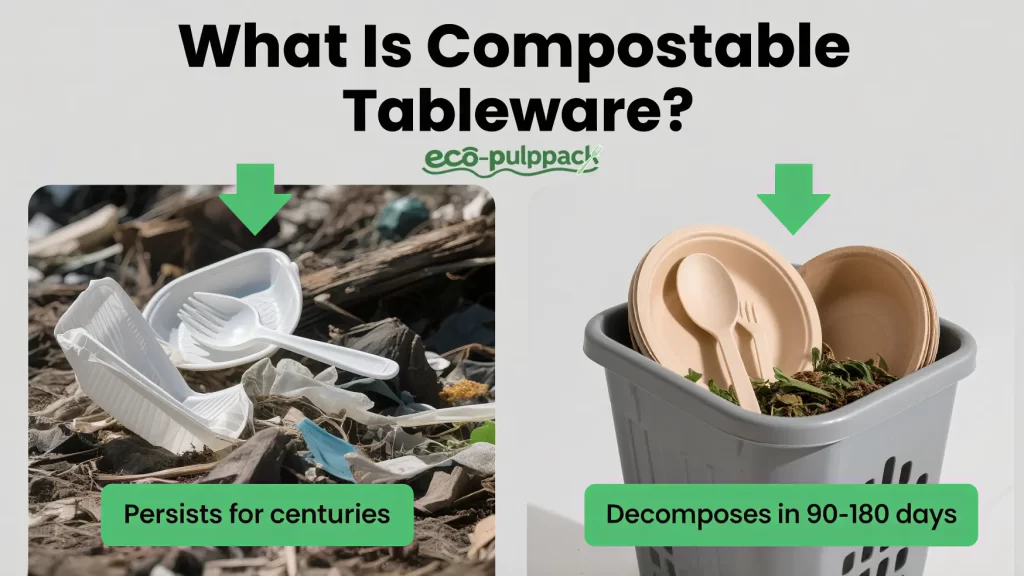
Compostable tableware is revolutionizing the food packaging industry. Made from plant-based materials like bagasse and PLA, it breaks down safely in composting environments, helping businesses reduce plastic waste and meet global sustainability standards. This guide covers what compostable tableware is, how it works, and what to consider when sourcing certified products.
What Are Bagasse Trays? Eco-Friendly Alternatives Explained
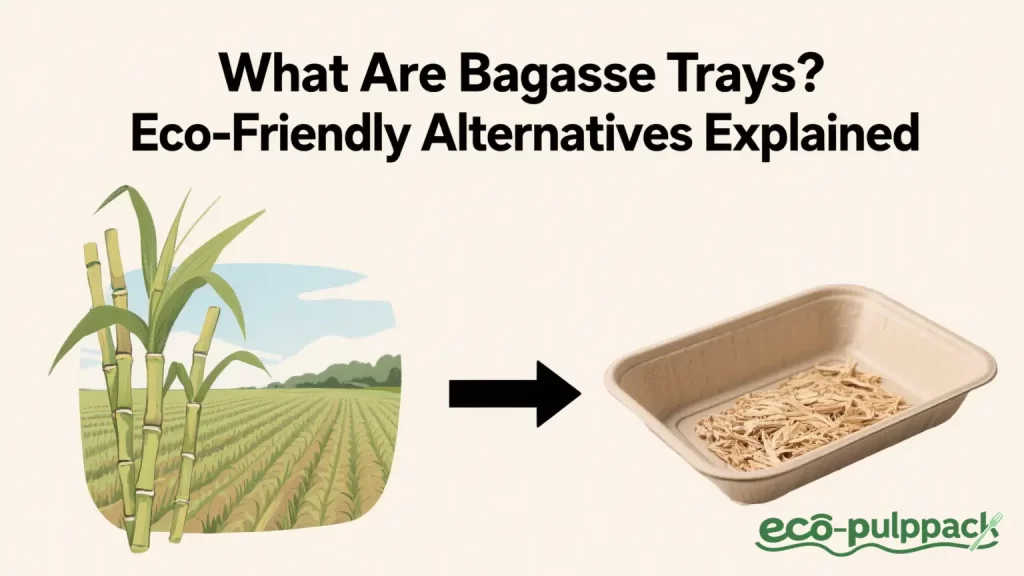
In today’s world, the demand for sustainable and eco-friendly products is at an all-time high. As consumers become more environmentally conscious, businesses and individuals alike are seeking alternatives to traditional materials that contribute to pollution and waste.
One such innovation is bagasse trays, a sustainable solution derived from sugarcane fibers. In this article, we delve into what bagasse trays are, their benefits, and why they are an excellent eco-friendly alternative to conventional packaging materials.
Eco-Friendly vs Sustainable: What It Means for Bagasse Tableware Buyers
Eco-friendly and sustainable are often used interchangeably — but they aren’t the same.
This guide breaks down their differences, explains how sugarcane bagasse fits both, and helps packaging buyers make smarter, regulation-ready choices in 2025.
What Is Biodegradable vs. Compostable? — Definitions, Differences, and Packaging Implications
In today’s sustainability-conscious world, terms like “biodegradable” and “compostable” appear frequently on packaging labels and in marketing. But what do they really mean — and are they interchangeable? While both refer to materials that break down in nature, the processes, outcomes, and environmental implications differ significantly. This article breaks down the key distinctions between biodegradable and compostable materials, their role in food packaging, and how businesses can make informed, eco-responsible decisions.
What Is Food Service Packaging?
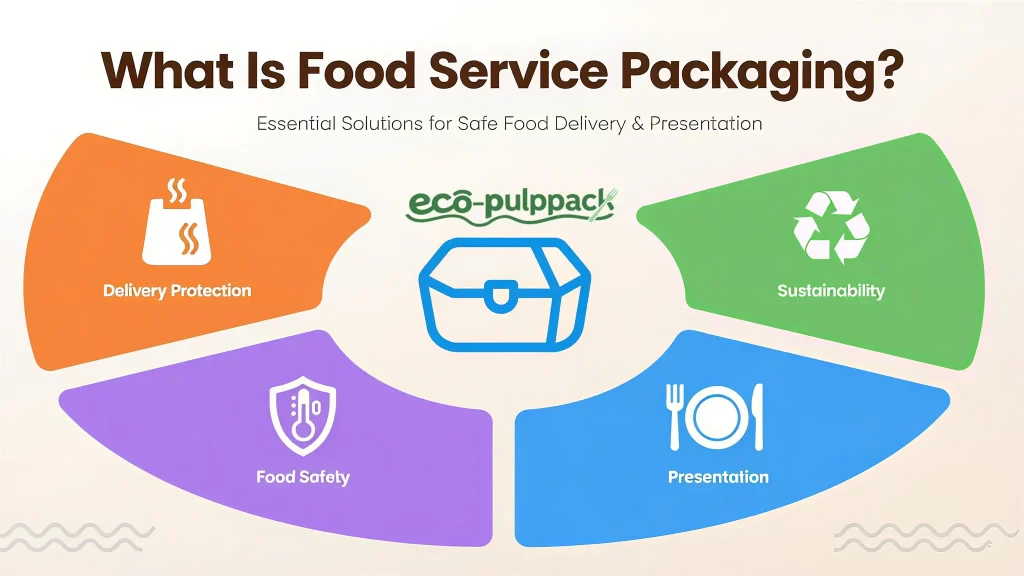
Food service packaging plays a critical role in modern food operations — ensuring food safety, enhancing customer experience, and supporting sustainability goals. This comprehensive guide explores the categories, materials, industry trends, and regulatory landscape of food service packaging, offering valuable insights for businesses looking to make informed packaging decisions in a rapidly evolving market.
Molded Fiber Tableware vs. Plastic and Paperboard: What’s the Difference?
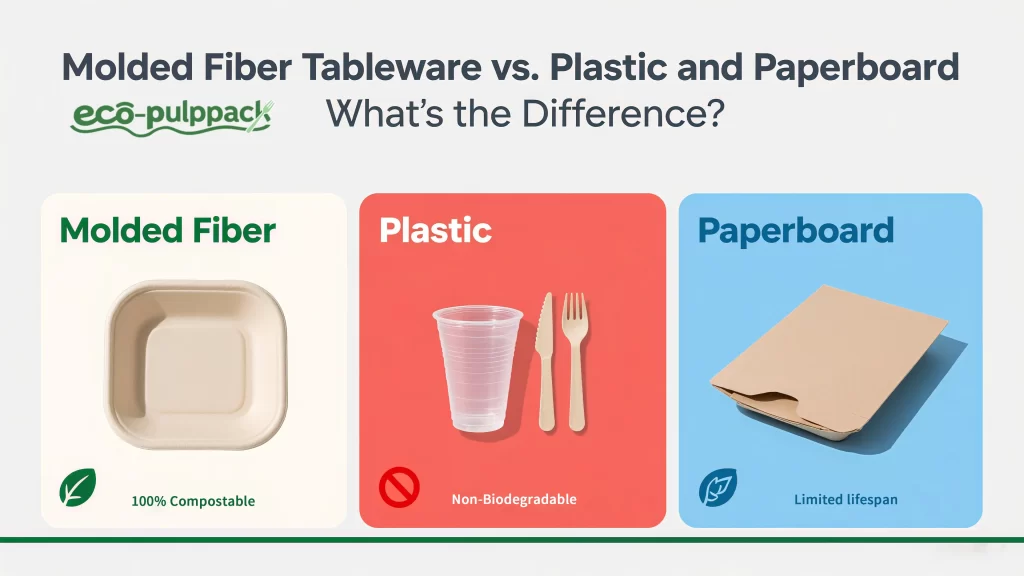
In today’s sustainability-driven world, businesses and consumers alike are seeking alternatives to traditional disposable materials. Among these, molded fiber tableware has emerged as a leading eco-friendly option, offering a compelling alternative to plastic and paperboard products. This article explores the differences between molded fiber, plastic, and paperboard tableware — comparing environmental impact, production processes, performance, aesthetics, cost, and more — to help you make informed, responsible choices.