Inside the FSC Chain of Custody: How Responsible Packaging Is Traced and Verified
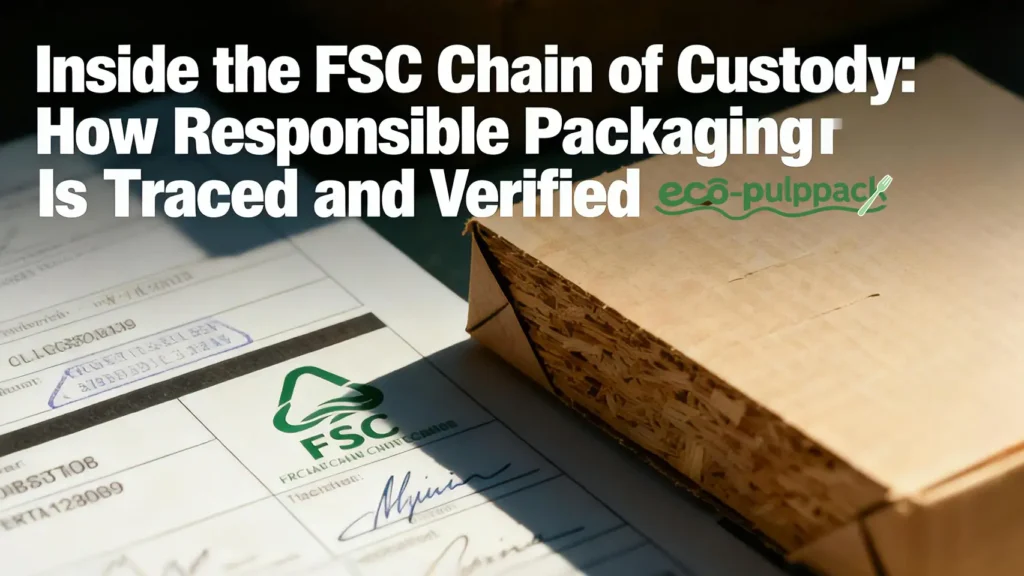
The FSC Chain of Custody (CoC) is the invisible framework that makes the FSC label meaningful.
It guarantees that every piece of fiber-based packaging — from molded bagasse bowls to paper lids and cartons — can be traced back to responsible, legally verified sources.
For manufacturers, this is more than paperwork; it’s a system that builds credibility in front of global buyers, auditors, and regulatory agencies.
Understanding how the CoC works helps eco packaging factories prove that sustainability claims are not just words, but evidence-backed commitments.
What Is FSC Certification and Why It Matters for Eco Packaging Manufacturers
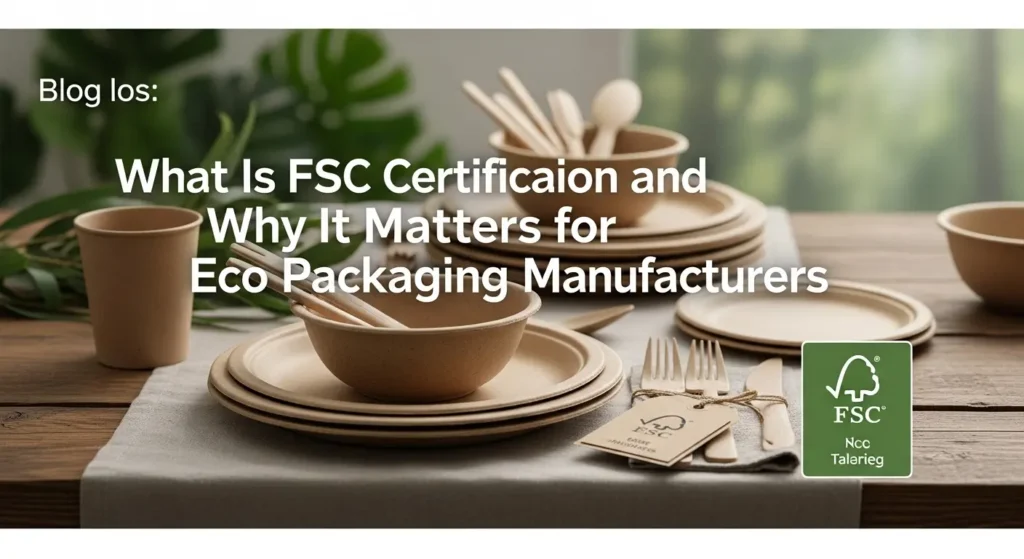
As sustainability becomes a global priority, eco packaging manufacturers face increasing pressure to prove the transparency and responsibility of their sourcing.
Among the many environmental standards, FSC certification (Forest Stewardship Council) stands out as one of the most trusted and widely recognized systems for ensuring that fiber-based packaging originates from responsibly managed sources.
This article explains what FSC certification means, how it works, and why it has become an essential element for manufacturers producing paper, bagasse, or other plant-fiber packaging.
Bagasse Tableware and FSC Certification: How They Work Together for Sustainable Packaging
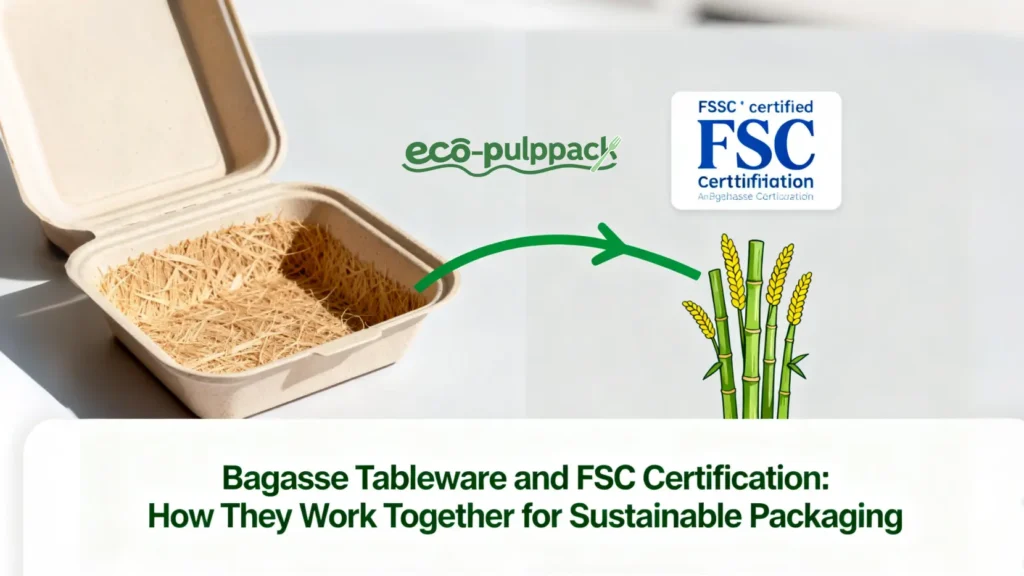
As global packaging regulations tighten, buyers are no longer satisfied with products that are simply *eco-looking* — they require verifiable sustainability.
Among the many certifications in the market, **FSC (Forest Stewardship Council)** remains the most recognized standard for responsible sourcing, while **bagasse tableware** has emerged as one of the most renewable alternatives to plastic and wood pulp products.
But how do these two elements — FSC and bagasse — work together?
This article explains how FSC certification complements sugarcane bagasse materials to create a truly transparent, compliant, and sustainable packaging solution for the global market.
Bagasse vs Kraft vs PLA: Which Bowl Material Is Most Sustainable for Takeout?
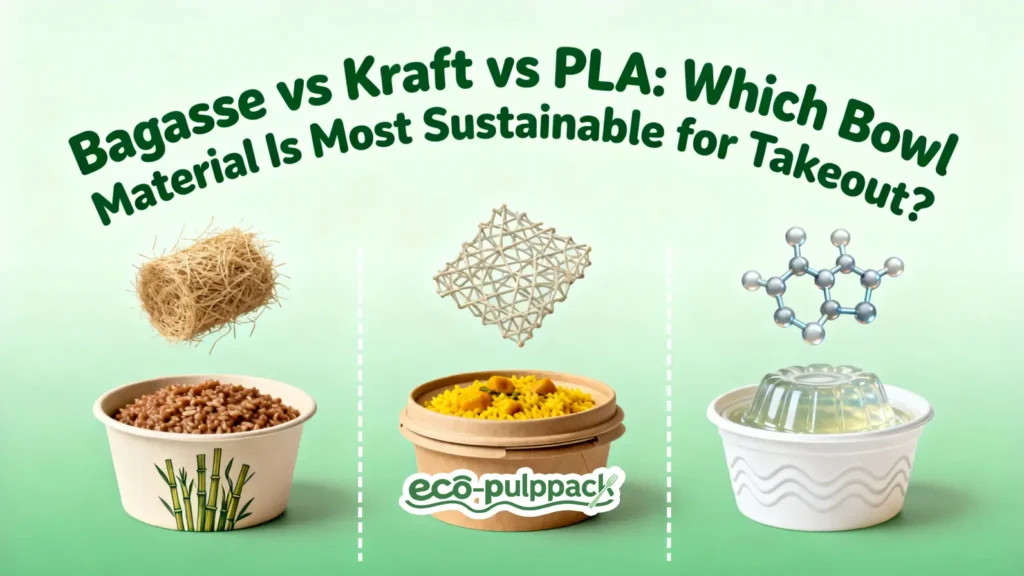
Choosing the right bowl material is more than a design choice — it affects compliance with global plastic bans, customer perception, and environmental impact. Bagasse, kraft, and PLA are the most common options, but only one stands out as the truly sustainable solution.
China’s Green Packaging Regulations 2025: Compliance Guide for Global Brands and Packaging Manufacturers
China will fully enforce green packaging regulations in 2025, banning non-degradable plastics and requiring recyclable or compostable packaging in food service, retail, e-commerce, and logistics. For international brands and manufacturers sourcing from China, compliance is no longer optional — it is critical to avoid customs delays, rejected shipments, and reputational risks. This guide explains the new rules, their impact, and how to prepare.
Is Sugarcane a Fruit or Vegetable?

Sugarcane is neither a fruit nor a vegetable but a grass crop. Learn its true classification and how bagasse pulp becomes eco-friendly tableware.
Can You Microwave Paper Containers?
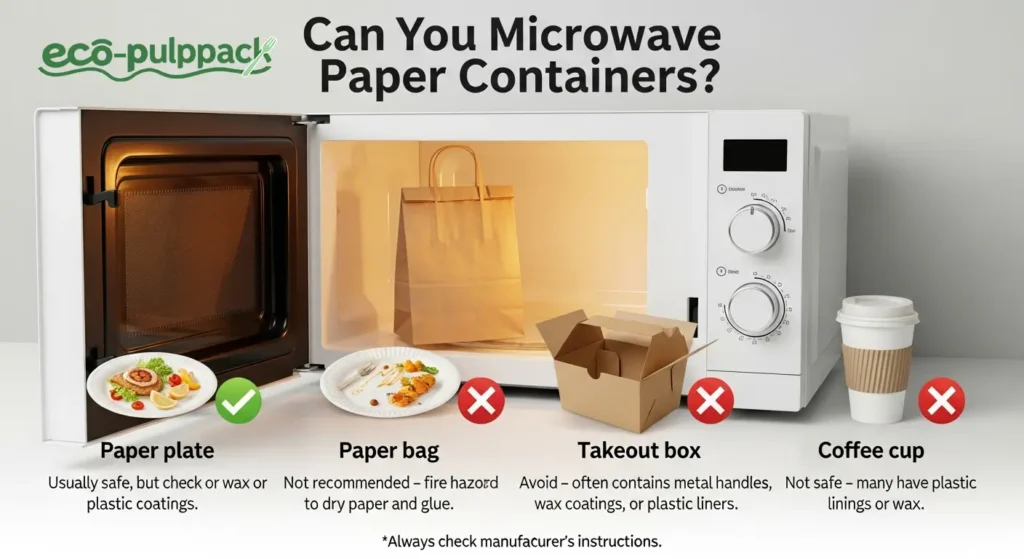
Not all paper containers are created equal—especially when it comes to microwaving.
While disposable paper plates are commonly used for reheating leftovers at home, food-grade paper containers—such as takeaway bowls, clamshells, and meal boxes—have more complex structures and material layers that affect microwave safety. Some are lined with wax or plastic to hold liquids, while others are made from natural molded fibers like sugarcane bagasse.
For packaging buyers, restaurant owners, and foodservice brands, understanding which paper containers are truly microwave-safe is essential—not just for customer safety, but for maintaining product integrity and avoiding liability. In this guide, we break down the risks, identify safe materials, and show why bagasse containers are the most reliable microwave-friendly option on the market.
Disposable Plate Size Guide: Standard Dimensions in Inches and Centimeters
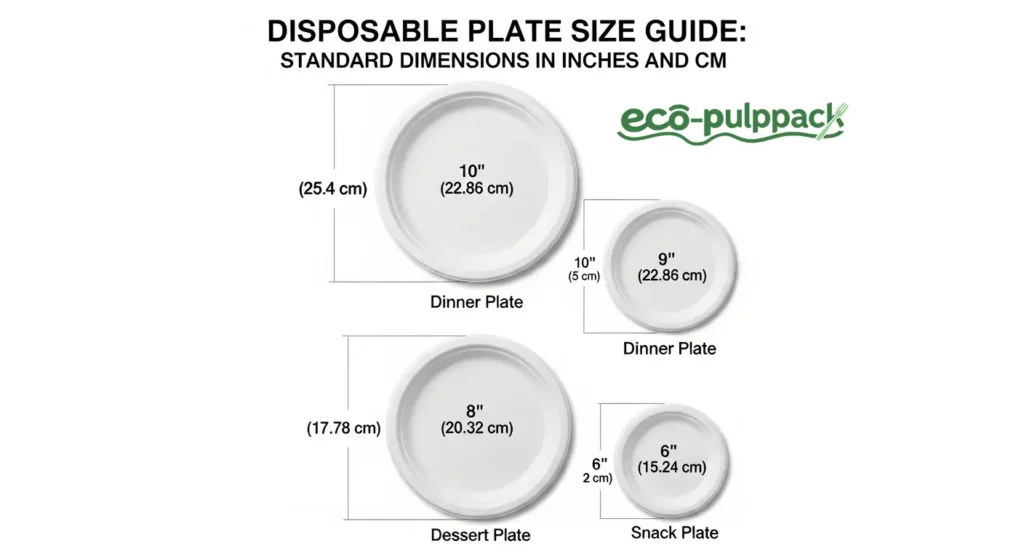
Choosing the right size disposable plate can make a big difference in food presentation, portion control, and customer experience—whether you’re running a foodservice business or hosting an event. This guide covers standard paper and bagasse plate sizes, their common uses, size conversions between inches and centimeters, and deeper technical considerations for buyers and commercial kitchens.
Can You Put Disposable Paper Plates in the Microwave?
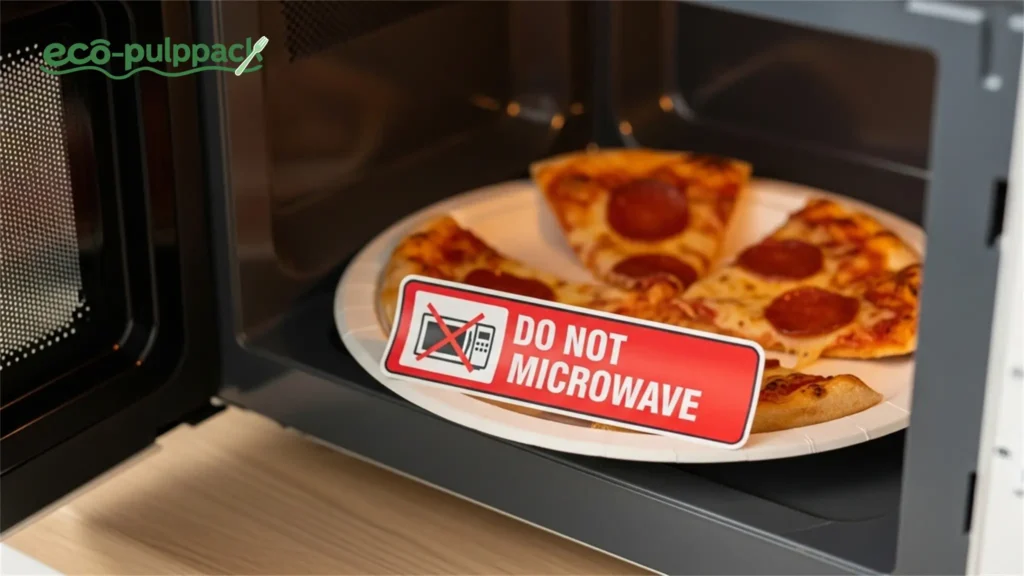
Many disposable paper plates can go in the microwave—but not all. This guide explores which materials are safe, what coatings to avoid, and how to choose heat-friendly, certified bagasse plates for daily or commercial use.